
Understanding Urban Accessibility Standards
Urban walking isn't just about distance — it's about how the city's infrastructure supports you. Cities that work well for seniors typically follow accessibility standards that benefit everyone. We're talking about sidewalk width, curb cuts, crossing signals, and street lighting.
Most European cities, including those in the Czech Republic, have begun implementing EU accessibility guidelines. These standards ensure pathways meet minimum widths (usually 1.5 meters for comfortable two-person walking), slopes don't exceed 6%, and tactile indicators guide visually impaired walkers.
The best accessible walks aren't accidents — they're planned routes through neighborhoods that already meet these standards. That's why knowing what to look for makes a huge difference in your urban strolling experience.
Reading the Street: What to Look For
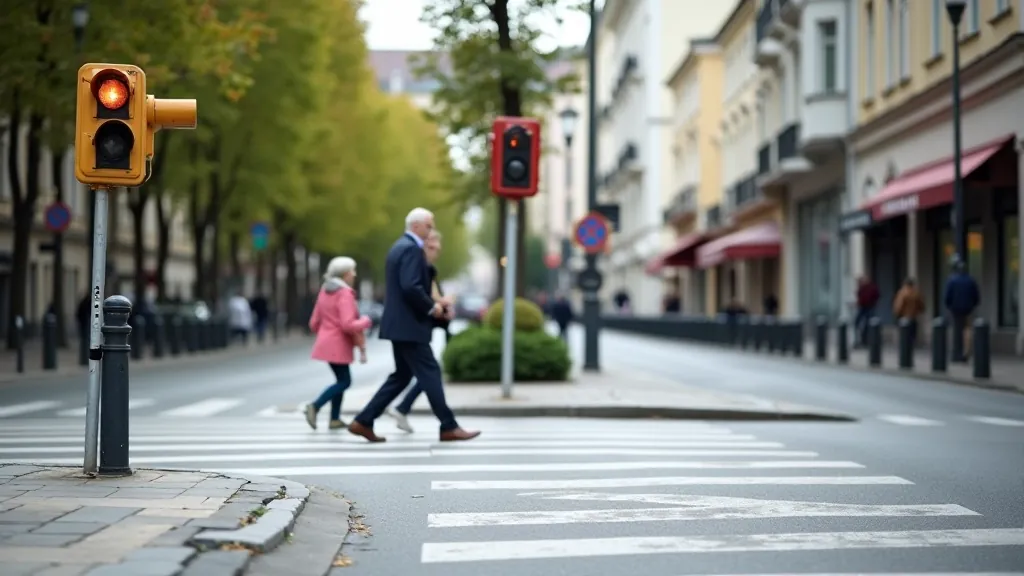
Before you head out, learn to read urban signs of accessibility. Don't just look at maps — actually scout the route first if you can. Are there curb cuts at intersections? That's your first indicator a street takes accessibility seriously.
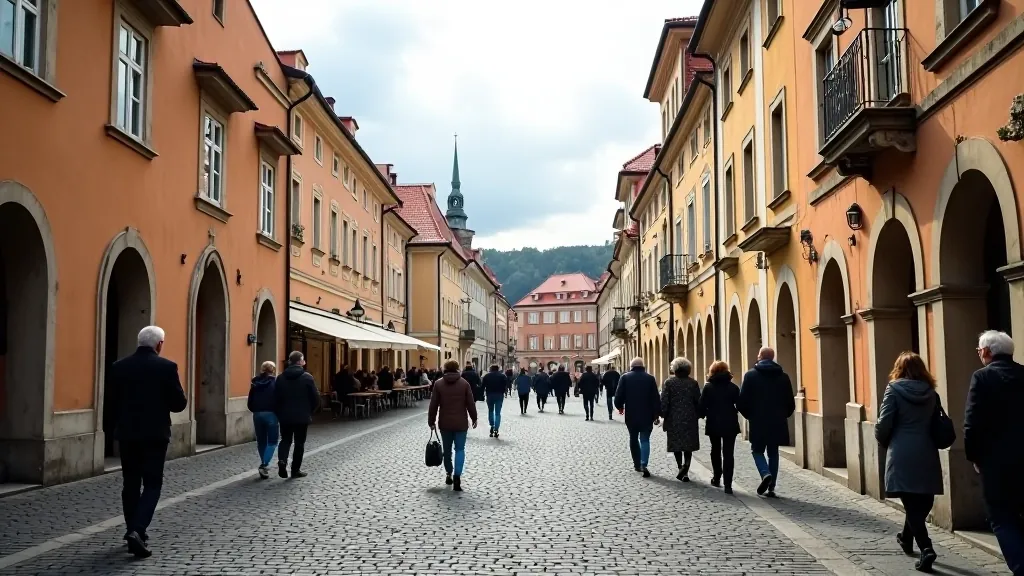
Smooth surfaces matter. Cobblestones look charming but they're tough on joints and balance. Prague's Old Town is gorgeous, but those historic streets can be exhausting. Newer neighborhoods typically have smoother, more predictable pavement.
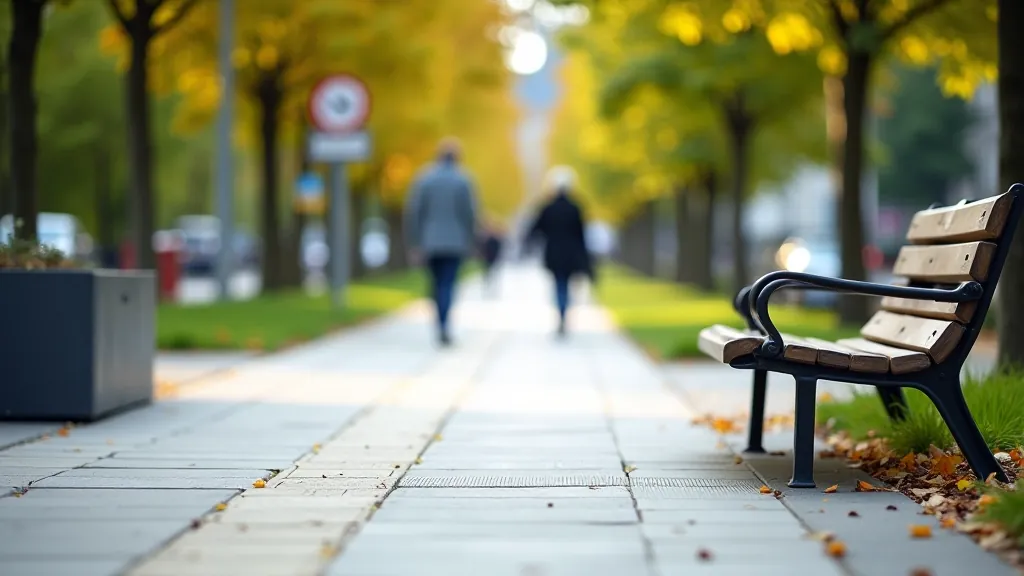
Count the benches. Accessible urban routes have seating every 100-150 meters. If you're planning a 45-minute walk, you'll want places to rest. Traffic noise and pollution levels also affect your experience — quieter side streets often work better than main roads.
Important Information
This guide provides educational information about urban accessibility standards and walking practices. Individual accessibility needs vary significantly — what works for one person may not work for another. Always consult with your healthcare provider before starting new walking routines, especially if you have mobility limitations, balance concerns, or recent injuries. Conditions in urban environments change — street construction, weather, and maintenance can affect accessibility at any time. We recommend verifying current conditions before your walk and staying flexible with your route if needed.
Essential Gear and Preparation
You don't need special equipment, but smart preparation changes everything. Comfortable, supportive shoes are non-negotiable — they're not optional. We're talking about shoes with cushioning, good arch support, and a wider toe box. Avoid brand-new shoes for long walks; break them in first.
A walking pole or lightweight walking stick can reduce stress on joints by 25-30%, studies show. It's not about weakness — it's about biomechanics. Carry water in a small bottle or backpack. Urban strolls don't feel like "exercise," so people forget they're still exerting themselves.
Plan your route on paper or on your phone beforehand. Screenshot key intersections. Know where bathrooms are located — this matters more than people realize. Check weather, daylight hours, and any street events that might affect your walk. Walking at quieter times (mid-morning or early afternoon) means less crowding and better visibility.

Pacing and Rest Strategies
Sustainable urban strolling isn't about covering distance fast. It's about moving at a pace where you can talk without gasping. If you can't hold a conversation, you're going too hard. Most comfortable paces for seniors range from 3-4 kilometers per hour — that's roughly a 15-20 minute mile.
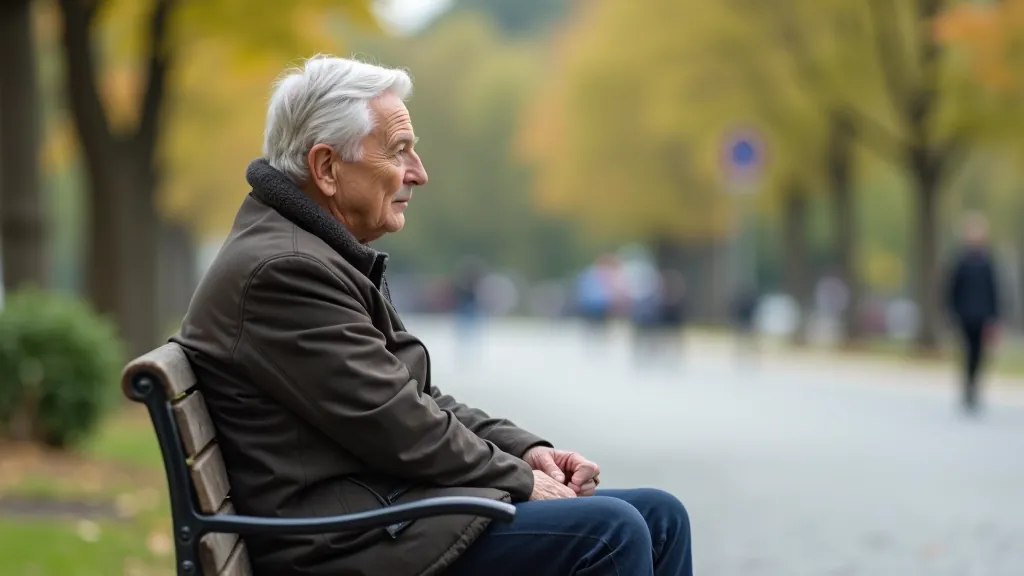
Build in rest stops naturally. Don't wait until you're exhausted. Every 30-40 minutes, sit down for 5-10 minutes. This prevents that sudden fatigue that makes returning home feel like a chore. Bring snacks if you're walking longer than 60 minutes — energy drops are real.
Your first urban walks should be shorter than you think. A 30-minute walk your first time out is better than pushing to 60 minutes and dreading the next walk. Build up gradually. After a few weeks of regular 30-minute walks, 45 minutes feels manageable. Consistency matters way more than distance.
Making Urban Strolling a Regular Practice
Accessible urban strolling combines practical knowledge with smart preparation. You're not limited to flat countryside paths — cities have plenty to offer if you know what to look for. Start with shorter walks in neighborhoods you already know. This builds confidence and lets you identify routes that work specifically for you.
The beauty of urban walking is flexibility. Bad weather? Indoor shopping malls work surprisingly well. Too crowded? Try early mornings. Feeling strong that day? Take the slightly longer route. This adaptability is what keeps walking enjoyable long-term.
Join local walking groups if you can. Other seniors share route knowledge, and group walks provide both motivation and safety. Most Czech cities have organized senior walking groups meeting weekly. You'll discover routes you'd never find alone, and you'll have companions who understand the pace you need.
Ready to explore more accessible routes in Czech Republic?
Browse All Walking Routes